Rome Right Now
A hyper-local show covering Rome, NY government, finances, and the decisions that shape our city.

3/29/26 - Mayor’s Town Hall
On March 26, 2026, Mayor Jeff Lanigan held a public town hall at City Hall. I went. I took notes. And I walked away with questions. In this video I break down where Rome actually stands as of that meeting. I’ll walk you through the four priorities the Mayor laid out (Chobani, the Legacy Center, public nuisance and community safety, and the parks plan) and tell you exactly what I still need to know before I feel good about it.
4/3/26 - Chobani
Chobani is bringing a thousand jobs and $1.2 billion in investment to Rome. Everyone says it's amazing. I wanted to find out if the math actually backs that up, so I built a ledger. Everything Rome gets. Everything Rome will likely pay. And the picture is surprising. Are my numbers right? Only the engineers will be able to tell us. But this video is a great place to start. The full report is on this site.
When a building is worth $50,000 and a new roof costs $15,000, the math doesn't work. And the person in the cold apartment waiting for someone to answer the phone gets the same experience whether the landlord won't fix it or genuinely can't. This episode also looks at what the city is doing about it; what's working, what the data suggests is missing, and who has been buying Rome's tax-foreclosed properties since February.
4/10/26 - Rome’s Rental Market
4/17/26 - Rome City Schools
The Rome City School District runs a $165 million budget, which is nearly three times the size of the City of Rome government. This episode looks at what the school’s audited financial statements actually show, including a $344 million unfunded retiree healthcare liability, a fund balance that may exceed what is allowed, and six significant audit findings, one of which received a one-word management response.
4/24/26 - What Your Taxes Buy In Rome
Your property tax bill is doing a lot more than taking your money. This episode breaks down exactly what Rome's piece of that bill funds. We talk about who gets it, what they do with it, who makes the decisions, and what a decade of those decisions actually looks like when you put it on a chart. General fund only. The basics, finally explained.
5/1/26 - 9 Years of Budget Promises
Rome has been naming catalysts for nine years. They mention the grants, the developments, and the projects that were supposed to change the city's trajectory. This episode goes back and asks a simple question: what did they actually produce? From the first DRI grant to Woodhaven, here's what the budget record shows.
5/8/26 - Rome’s Market vs Assessed Values
Rome's median home sale price grew 77% between 2020 and 2025. Rome's median assessed value grew by $400. New York State says Rome's assessments are running at about 42 cents on the dollar of actual market value. This episode walks through what that gap means, who it affects, and what the three paths forward actually cost.
5/14/26 - The Legacy Center
Rome is considering a major long-term financial commitment for the Legacy Center, a proposed recreation complex on Floyd Avenue. The feasibility study that was supposed to answer the operating cost questions hasn't surfaced in the public record. So we built our own model. Rome deserves to see the actual numbers before anyone signs anything.
5/22/26 - The Communication Gap
Rome held a public meeting in December 2025 to shape a 15-year parks plan affecting every neighborhood in the city. Seven communication channels. Two public meetings. Two dozen people showed up. This episode is about why, and why the responsibility for closing that gap belongs to both sides.
5/29/26 - Does Rome ‘Suck?’
Rome has serious fiscal problems. The savings are declining. The deficit is structural. The debt is growing. Nine episodes documented all of it. But the popular complaints about Rome tell a different story than the data does. The season finale puts three complaints next to the actual numbers and compares Rome to the ten cities it most directly competes with. The results may surprise you.
A Financial Assessment of Rome, NY
A seven-part series examining the fiscal condition of Rome, NY. We look at where the money comes from, where it goes, and what the numbers actually mean for our city's future.

Over the past year I spent several months reading every budget, audit, and financial report the City of Rome has filed with New York State going back to 2015. What I found concerned me enough to write a 50-page report about it. Every number in that report traces back to a public document the city filed itself. This video introduces the series. I explain who I am, what I found, what I can and can't claim, and what the next five videos will cover.
3/18/26 - An Introduction
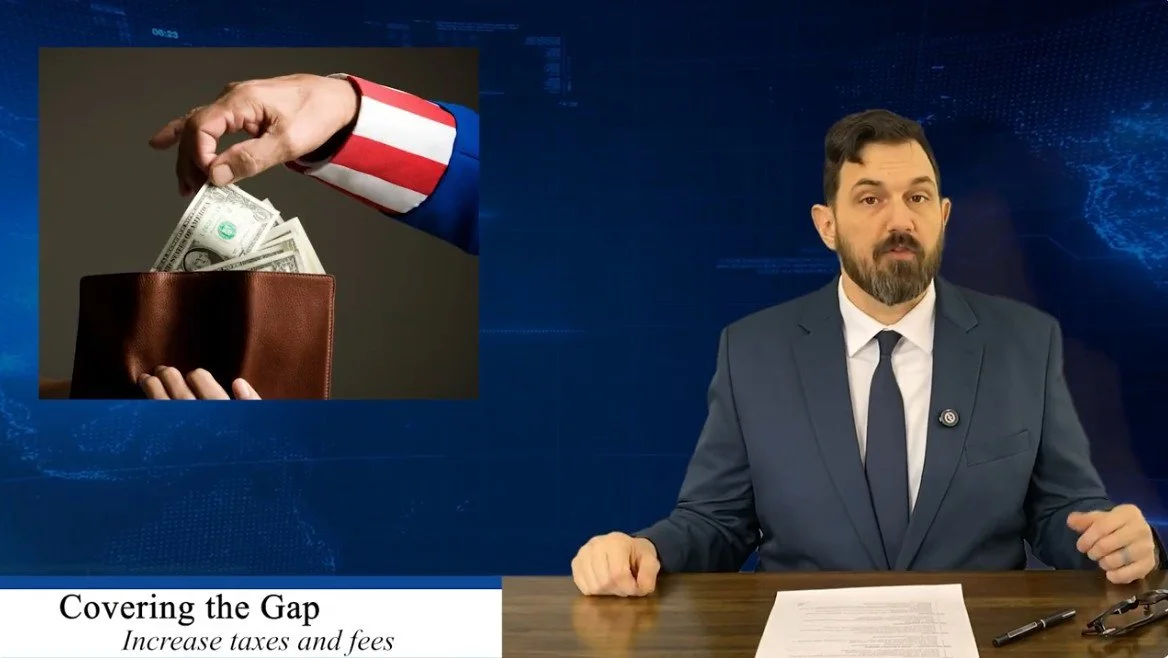
3/21/26 - Structural Deficit
Every city budget since 2017 contains a line item that most people have never noticed, and it is the city's formal acknowledgment that revenues will likely not cover expenses. The budgets also acknowledge that the plan is take the difference from the city's savings account. In 2017 that number was $780,000. In the 2026 adopted budget it is $3.8 million. This video explains what that means, how it happened, and why it matters.

For most of the last decade, Rome's savings account kept growing. Even as the city ran a structural deficit, departments ran lean, held vacancies, and kept spending below budget. The reserve cushion grew. Revenues have remained flat, but spending has grown. In 2024 the unassigned fund balance declined for the first time on record. And the city's own adopted budget projects drawing nearly $4 million from savings in 2026 alone.
3/25/26 - Declining Savings
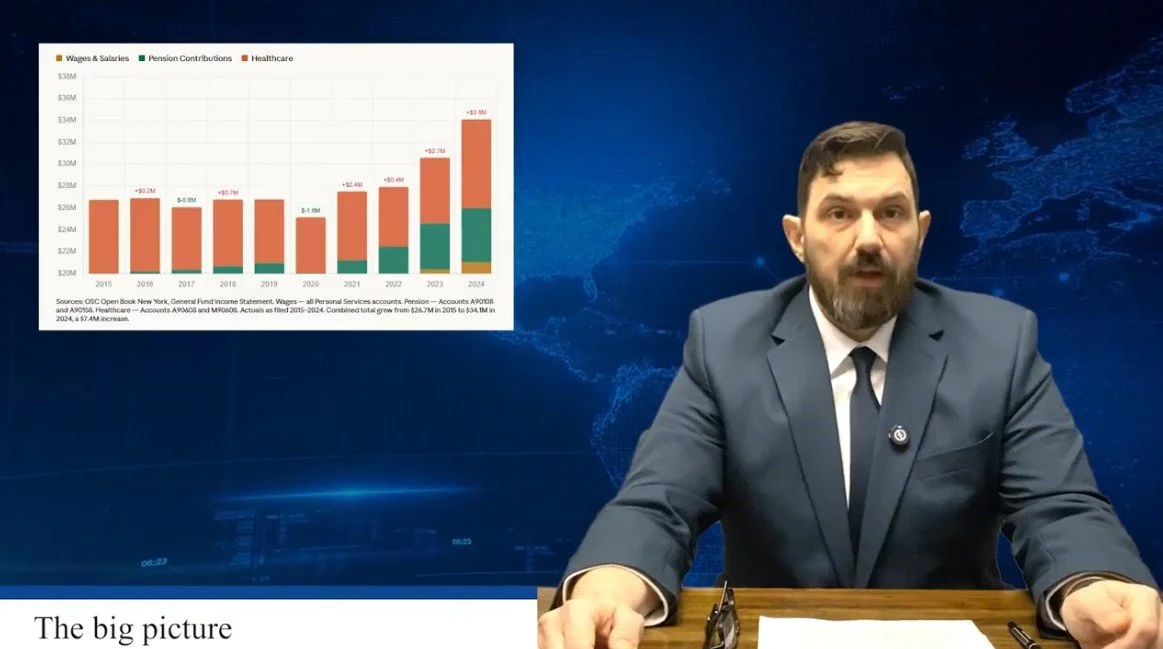
The problem is growing most in three costs that Rome doesn't fully control. Wages fixed by contracts already signed. Pension rates set annually by Albany. And healthcare for an aging workforce where retirees now outnumber active employees. Together these three costs have grown $7.4 million in nine years against revenue that has been essentially flat in real terms. And the acceleration in 2023 and 2024 is the largest on record.
3/31/26 - Contract Costs
Rome has not funded a dime of its long-term retiree healthcare liability. No trust. No reserve. Just a $40.9 million obligation and a pay-as-you-go system that depends on money the city is already running out of.
4/6/26 - Retiree Healthcare
Rome's annual debt payments have been stable for a decade. But underneath that stability, short term placeholder debt has been accumulating. When it converts to permanent bonds the annual payment grows, and stays elevated for decades. Rome's own budget projects a fifty percent increase in debt service by 2027, on top of everything else.
4/13/26 - Debt
The final episode of the Rome Financial Assessment Series. Everything covered in Episodes 1 through 5, the deficit, the savings drawdown, the locked costs, the unfunded liability, the accumulating debt, put together in one picture. And an honest accounting of what the math says it would take to fix it, including who each solution would cost something.
4/17/26 - Putting It All Together
Common Council Summaries
2/25/26 - Meeting Summary
3/11/26 - Meeting Preview
3/11/26 - Meeting Summary
3/25/26 - Meeting Preview

3/25/26 - Meeting Summary
4/8/26 - Meeting Preview
4/8/26 - Meeting Summary
4/22/26 - Meeting Preview
4/22/26 - Meeting Summary
5/13/26 - Meeting Preview